Diagnosis & Enhancement
Biodiversity
in the project
Designing architecture that breathes with the earth and welcomes the living world as a core material.
Why Biodiversity?
In a world facing biodiversity collapse and climate disruption, designing a building without thinking about the living world is an aberration. Architecture must no longer be limited to erecting watertight, purely mineral envelopes. It must become a shelter, a support, a continuity for local ecosystems.
Every interstice of a project is an opportunity: for birds, for pollinating insects, for the life of the soil. Integrating biodiversity from the first sketch creates more resilient, thermally regulated, and life-rich spaces.
Understand: The Ecological Diagnosis
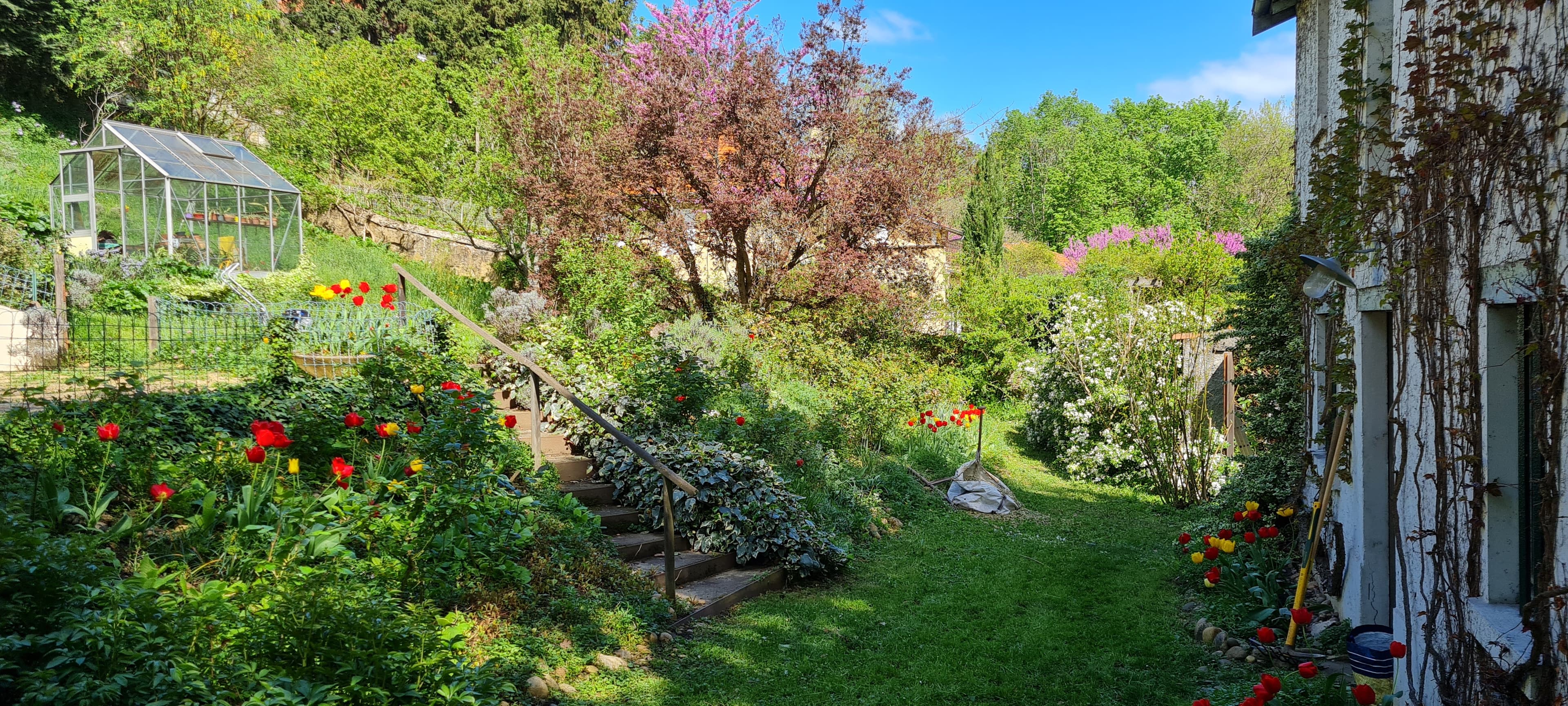
Before drawing a single line, it is essential to read the land. Our dual background in architecture and landscape design allows us to conduct sensitive diagnostics of spontaneous flora, the biotope, and soil texture.
We analyze sunlight, humidity, topography, and local plant sociology. By understanding existing ecological dynamics, we can propose coherent designs that blend naturally into the territory without disrupting natural balances.


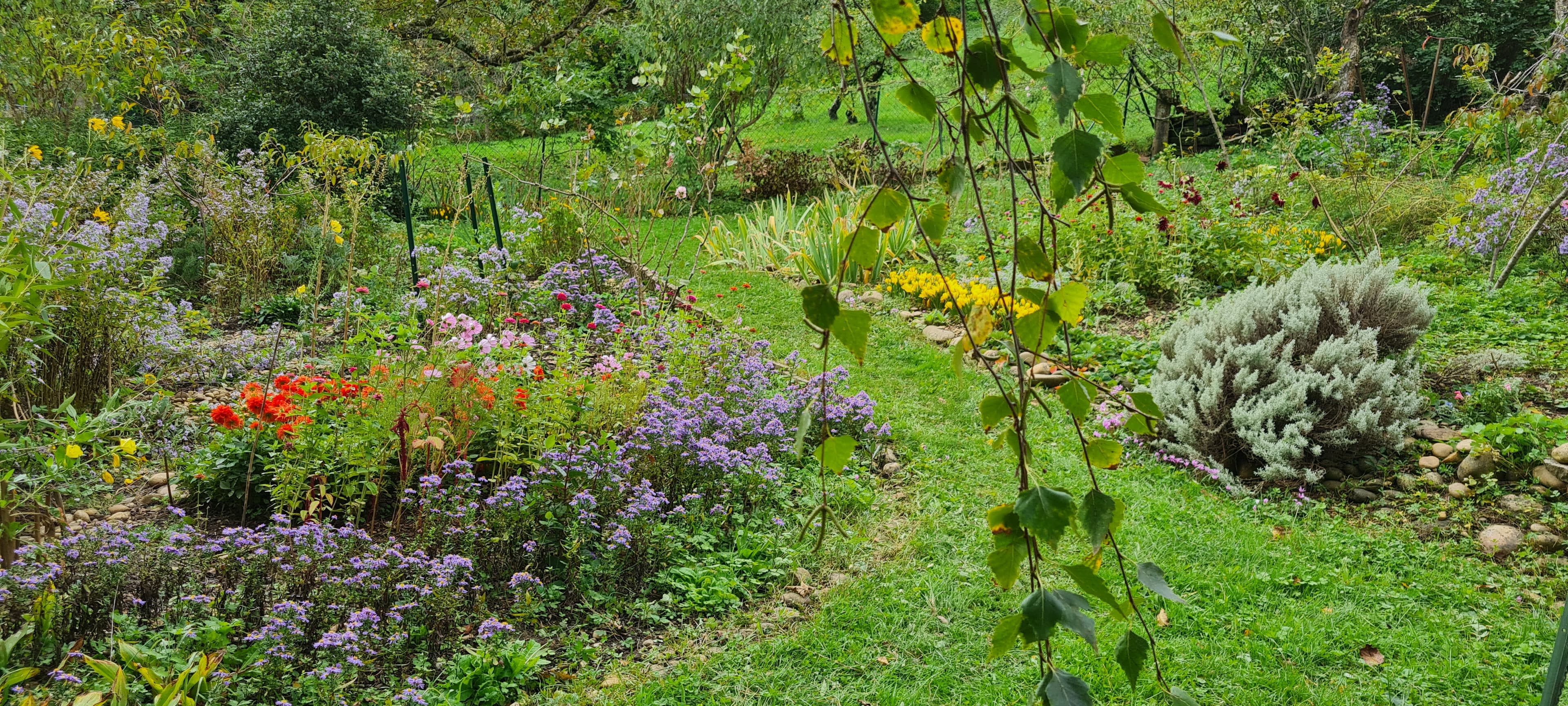
Photographic Inventory & Biotope
Field observations recorded during our sensitive diagnostics. Hover over each photo to discover the species name and its essential ecological function.

Common Daisy (Bellis perennis L.)
Highly resilient pioneer wildflower blooming almost year-round, offering a steady and dependable food source for insects.
i

Alpine Lady's Mantle (Alchemilla alpigena)
Perennial plant native to alpine regions, famous for capturing morning dew droplets on its pleated foliage.
i

Fire Poppy (Papaver californicum)
Annual pioneer plant with bright orange petals, quickly colonizing bare and well-drained soils.
i

Lacy Phacelia (Phacelia tanacetifolia)
Exceptional green manure crop that loosens the soil and produces massive amounts of nectar for all pollinators.
i
Wild Chives (Allium schoenoprasum)
Its round purple flowers provide an abundant food source for honeybees and bumblebees in early spring.
i

Mophead Hydrangea (Hydrangea Macrophylla)
Shade-loving shrub structure, excellent for moist and cool areas of gardens to help retain water.
i

Fuzzy Deutzia (Deutzia scabra)
Robust flowering shrub. Its dense clusters of starry white flowers attract honeybees in early summer.
i

Deutzia 'Strawberry Fields'
Ornamental shrub with generous pink and white spring blossoms, offering shelter for garden birds and food for bees.
i
Subalpine meadow ecosystem
Diverse vegetation carpet anchoring the soil against erosion while storing rainwater in its root systems.
i
Common Columbine (Aquilegia vulgaris)
Poetic wildflower of woodlands and meadows. Its long spurs restrict nectar access to insects with specialized long tongues.
i

Dalmatian Bellflower (Campanula portenschlagiana)
Perfect for colonizing crevices of sunny dry-stone walls, highly resilient to drought.
i

Pink Oxalis (oxalis articulata)
Bulbous plant forming cushions of pink flowers, thriving in partial shade and quickly covering bare soil.
i

Perennial Cornflower (Centaurea montana)
Highly valued subalpine wildflower producing sweet nectar that is particularly attractive to wild bees.
i

Roman Chamomile (Chamaemelum nobile)
Fragrant creeping aromatic herb. Extremely resilient to light foot traffic, releasing a pleasant scent when crushed.
i

Marsh Thistle (Cirsium palustre)
Biennial plant of wet meadows and wetlands. Its dense purple flower heads attract huge numbers of butterflies and bumblebees.
i

Autumn Crocus (Colchicum autumnale)
Blooms at the end of summer, signaling seasonal transition and offering crucial late-season pollen before winter.
i

Viper's Bugloss (Echium vulgare)
Exceptional wildflower producing nectar continuously throughout the day, highly attractive to bees and butterflies.
i

Common Ivy (Hedera helix L.)
One of the most important plants for biodiversity: late autumn flowers and late winter berries sustain wildlife.
i

Alpine Bird's-foot Trefoil (Lotus alpinus)
Small alpine legume fixing atmospheric nitrogen and feeding the caterpillars of high-altitude Blue butterflies.
i

Lavender Cotton (Santolina chamaecyparissus)
Mediterranean evergreen subshrub with silver foliage, highly drought-resistant and repelling insect pests.
i

Common Yarrow (Achillea millefolium)
Medicinal and highly nectar-rich plant. Its flat umbrella-like flowers attract beneficial insects like hoverflies and ladybugs.
i

Sweet Violet (Viola odorata)
Its scented flowers feed early brimstone butterflies. Its seeds are carried and dispersed by ants.
i
Damp woodland edge microclimate
Ecological transition zone (ecotone) rich in moisture, facilitating coexistence of shade-loving and light-loving species.
i

Wild Daffodil (Narcissus pseudonarcissus)
One of the earliest bursts of color in spring woodlands and damp meadows, signaling soil life reactivation.
i

Spring Cinquefoil (Potentilla neumanniana)
Low-growing mat-forming plant with yellow flowers, blooming very early in spring on dry, sunny grounds.
i

Juniper Haircap Moss (Polytrichum juniperinum)
Hardy pioneer moss that retains moisture on soils and rocks, facilitating the germination of other plants.
i

Common Bluebell (Hyacinthoides non-scripta)
Ancient woodland indicator species, forming spectacular blue carpets in spring before forest trees leaf out.
i

Alpine Squill (Scilla bifolia)
Early spring bulb of cool mountain undergrowth, signaling the awakening of soil organisms.
i
Enhance: Concrete Actions
We implement simple yet highly effective solutions to reintroduce biodiversity into the heart of our designs:
01
Living Soils & Infiltration
De-sealing asphalt surfaces, preserving the organic humus layer, and allowing rainwater to directly recharge aquifers.
02
Native Plant Strata
Prioritizing local plants adapted to the mountain climate, supporting insect life, and requiring minimal maintenance.
03
Micro-Habitats & Corridors
Creating nesting crevices in the structures, integrating birdboxes, preserving wild zones, and constructing dry stone walls.
"Designing with the living world means accepting that the project does not stop with concrete, but unfolds through seasons and generations of living beings."
Have a project?
House, extension, renovation, or competition — let's talk about your living architecture project in the French Alps.